
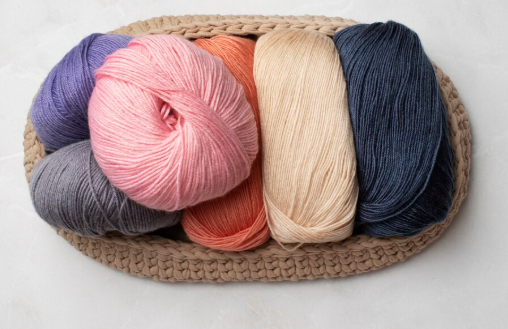
For knitters, crocheters, and other fiber artists, a yarn store is much more than just a place to purchase materials; it is often a hub of inspiration, expertise, and community.
Whether you are searching for a specific luxury fiber for a complex pattern or simply starting out with your first skein, the quality of the store and its offerings can significantly influence your crafting experience.
Choosing the right local yarn retailer involves evaluating factors that go beyond just color and price. It’s about finding a reliable partner for your creative journey.
1. The Quality and Diversity of Yarn Inventory
The core of any good yarn store is its inventory. A top-tier store should offer a diverse range of yarn weights, fibers, and brands. Look for a balance of natural fibers (such as merino wool, alpaca, silk, and cotton), luxury blends, and high-quality, reliable synthetics.
Diversity in selection is key to successfully substituting pattern recommendations or finding unique fibers for special projects. The store should also prioritize quality, carrying brands known for ethical sourcing and consistent dye lots, which are vital for ensuring your finished project is uniform and durable.
2. Staff Expertise and Personalized Advice
The staff at a local yarn store (LYS) should be knowledgeable crafters themselves, not just sales associates. One of the greatest benefits of in-person shopping is the opportunity to receive personalized, expert advice.
Technicians should be able to help you match yarn to a pattern gauge, troubleshoot a tricky stitch, or offer color combination suggestions.
Their expertise in fiber characteristics—knowing which yarn will drape, which will pill, and which is suitable for children’s garments—is invaluable and saves countless hours of trial and error.
3. Sensory Experience: Touch and Color Accuracy
Unlike shopping online, a physical store allows you to fully engage your senses, which is crucial when working with textiles. You can touch and feel the softness, texture, and elasticity of the yarn before committing to a purchase.
Additionally, seeing the colors in natural light ensures accurate color matching for projects that require precise shades or gradients. The ability to “squish” the yarn and see its true color hue is a major consideration that digital screens simply cannot replicate.
4. Community Atmosphere and Shared Space
A great yarn store fosters a sense of community. Look for a location that provides comfortable seating areas for customers to sit, knit, or crochet. Many stores host regular knitting groups, workshops, or “knit-alongs.”
These events transform the store into a social hub where you can connect with like-minded individuals, share tips, and find inspiration. A welcoming atmosphere, where staff and customers share a passion for fiber arts, is a vital factor for a rewarding shopping experience.
5. Range of Notions and Accessories
Beyond the fiber itself, a comprehensive store should stock all the necessary tools and accessories, often referred to as “notions.”
This includes a wide selection of knitting needles and crochet hooks in various materials (bamboo, metal, wood), different types of stitch markers, blocking mats, project bags, and specialized measuring tools.
Having high-quality tools readily available ensures that you can start or complete your project without frustrating delays.