
Maintaining a home is not just about keeping it looking nice. Regular care prevents small problems from turning into expensive repairs. Many homeowners wait until something breaks, but planning ahead can save money and stress.
Simple checks and timely updates make a house safer, more comfortable, and more valuable. The following tips focus on practical actions that protect a home in the long term.
Inspect the Roof Regularly
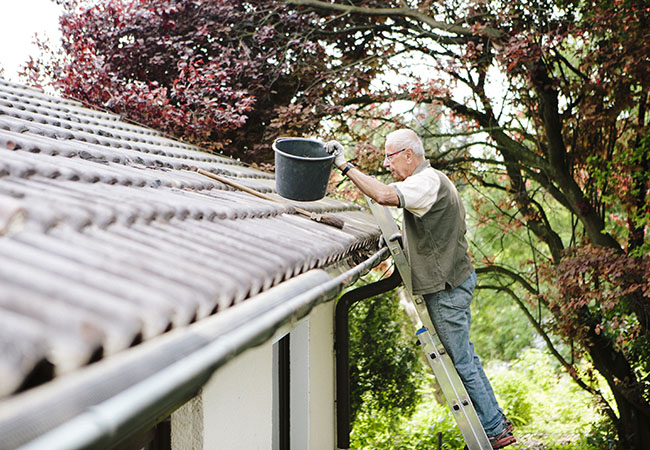
The roof protects a home from rain, wind, and sun, but it is often overlooked. Regular inspections help identify missing shingles, leaks, or damage caused by storms. Repairing small problems early prevents water from entering the house and causing structural damage.
Cleaning gutters and removing debris also keep water flowing away from the roof and foundation. A well-maintained roof extends its lifespan and reduces the chances of sudden, costly repairs.
Perform a Water Check
Water damage is one of the most common causes of expensive home repairs. Checking pipes, faucets, and appliances for leaks can prevent mold growth and foundation problems. It is important to perform water check in areas like the basement, under sinks, and around the water heater.
Even small drips can waste water and cause hidden damage over time. Maintaining plumbing and fixing leaks immediately keeps the home safe and reduces long-term repair costs.
Maintain Heating and Cooling Systems
Heating and cooling systems work hard to keep a home comfortable. Regular maintenance ensures they run efficiently and last longer. Cleaning filters, checking vents, and scheduling professional inspections prevent breakdowns during extreme weather.
Ignoring these systems can lead to high energy bills or sudden failures that require expensive replacements. A well-maintained system improves air quality and keeps the household comfortable throughout the year.
Consider Sod Installation
The yard plays an important role in protecting a home’s foundation and appearance. Installing sod can prevent soil erosion, control water runoff, and reduce dust and mud near the house. Healthy grass also absorbs rainwater, which decreases the risk of water pooling near the foundation.
Regular lawn care, including proper watering and trimming, keeps the yard strong and reduces landscaping costs over time. Proper sod installation is an investment that adds beauty and long-term protection to the property.
Check the Foundation and Exterior
A home’s foundation and exterior walls are critical for stability and safety. Cracks in walls or the foundation can indicate serious structural problems. Regularly inspecting the exterior for damage, cracks, or signs of water intrusion allows early repairs before the issues worsen.
Painting or sealing exterior surfaces prevents weather damage and extends the life of siding, windows, and doors. Protecting the foundation and walls ensures the home remains strong and reduces the risk of major repairs.
Conclusion
Routine home maintenance saves time, money, and stress. Inspecting the roof, performing water checks, maintaining heating and cooling systems, installing sod, and monitoring the foundation are simple steps that prevent costly repairs.
Homes that receive regular care last longer, look better, and remain safe for occupants. Taking action before small problems grow into large ones keeps a home in excellent condition and protects the investment over time.